
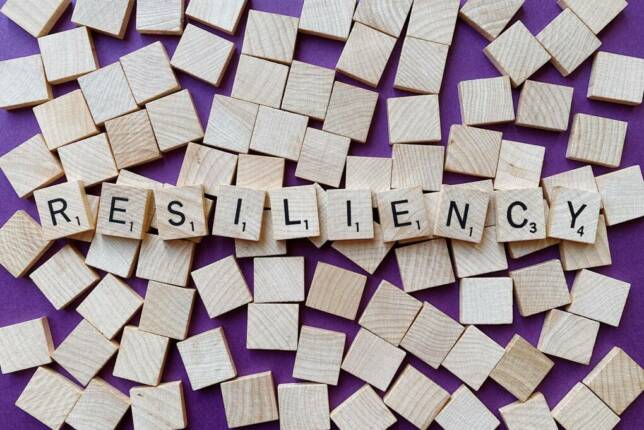
The Covid-19 health crisis and the many lockdowns that accompanied it have had a strong impact on the supply chain on a global scale. In the wake of the health crisis, the need to reinvent the traditional model and strengthen the resilience of the supply chain in the face of hazards has become obvious. So, what levers can be activated to strengthen the supply chain?
The impacts of the health crisis on the supply chain
The health crisis has caused a large number of disruptions across the entire supply chain for companies in all industries, all over the world.
Some of the disruptions generated by the pandemic include:
- Routing problems;
- Shortage of raw materials or components;
- The interruption of deliveries;
- Supply difficulties;
- Failures among stakeholders (suppliers, carriers, distributors, manufacturers, etc.);
- A decrease in the number of staff;
- A sharp increase in demand following the rise of e-commerce;
- …
The crisis has thus lifted the veil on the fragility of the traditional supply chain model and its lack of solidity, resilience and adaptability in the face of external risks.
Improving the resilience of your supply chain: what are the challenges?
Faced with such impacts, improve the flexibility and resilience of your supply chain is now a necessity for companies. This will make it possible, on the one hand, to Strengthen the prevention and control of risks, disruptions and various hazards that can impact the proper functioning of the supply chain.
On the other hand, in the wake of the health crisis, consumer habits and customer requirements have changed a lot, whether in terms of quality, deadlines or volume. This therefore implies the implementation of an innovative supply chain strategy, adapted to new needs and market developments.
Our tips for improving the resilience of your supply chain
Consolidating the supply chain and its resilience must involve several actions aimed at strengthening the ability to anticipate risks and react quickly and effectively to the emergence of disruptions.
Here are some of the levers to be activated to improve the resilience of your supply chain in the wake of the health crisis:
- Identify potential threats and risks, whether they are IT (cybersecurity), human (staff shortage, disengagement, absenteeism, etc.), logistical (shortage of goods, poor inventory management, breakdowns, production stoppages, lack of manpower, supply and production difficulties, volatility of demand, etc.) or external to the company (natural disaster, economic instability, geopolitical crisis, climate crisis, health crisis, etc.). emergence of new competitors…).
- Carry out an audit of the resources and means available and develop crisis management scenarios and continuity plans;
- Optimize flow management (products and materials; information flows; financial flows, etc.);
- Facilitate and strengthen connectivity between actors;
- Decompartmentalize information and banish silos with transversal and transparent communication between all the players in the supply chain;
- Diversify the network of suppliers, carriers and other service providers;
- Modernise processes using technological innovations (artificial intelligence, big data, production management software, ERP, WMS, machine learning, etc.);
- Automate repetitive and low-value-added tasks using digital tools;
- Increase operational and managerial agility and challenge existing supply chain management;
- Ensure real-time visibility of all levels of the supply chain (stock availability, status of goods, progress of deliveries, etc.) in order to quickly anticipate the slightest sign of disruption.
Strengthening the resilience of your supply chain through interim management
Lack of time, hindsight and resources can make it very difficult to improve the resilience of your supply chain internally. To simplify this change management, interim management is a very favorable solution.
At WAYDEN, we identify an expert in logistics and transport from our network of 8,000 qualified interim managers able to support you in the transformation of your supply chain. Thanks to his expertise, his long With a career of 15 to 25 years and unparalleled know-how, he will be able to successfully support you to sustainably improve the resilience of your supply chain.
Articles récents
 TMS project: WAYDEN’s experts support you in its implementation
 Our 5 tips for managing a disruption in the supply chain
 How to remedy logistical constraints in companies?
 Supply chain management: the limits of the global model in the face of the health crisis
 Logistics 4.0: what does the future of the industrial sector look like?
 How to reduce the silo effect in Supply Chain Management to improve your performance?